
Residential heating and cooling
Gas Line Installation in Fort Worth, TX
Gas piping repair, installation, pressure testing, and appliance connections
 Fort Worth, Texas
Gas Line Installation Scope and Common Uses
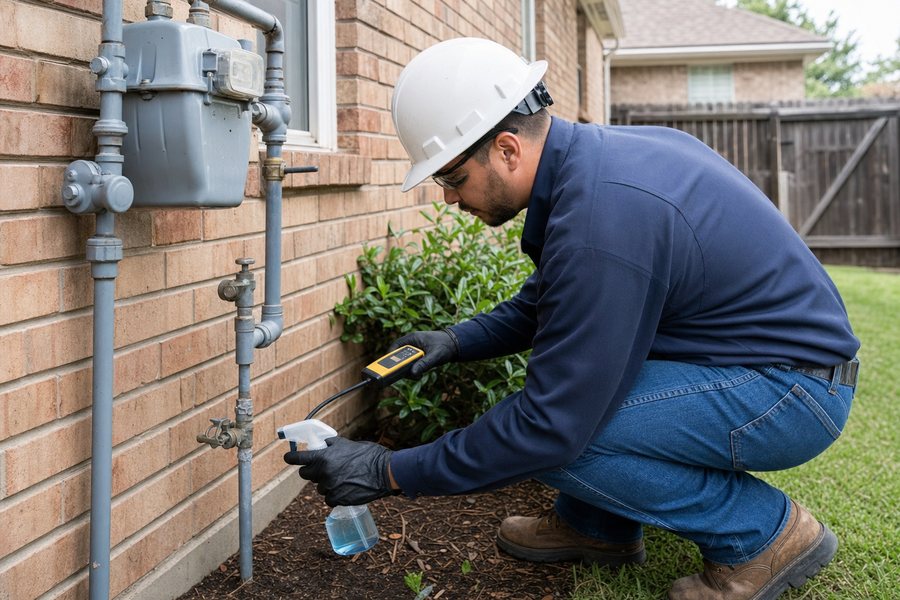
Gas Line Installation addresses gas odor, damaged piping, failed pressure tests, or a new gas appliance. Service scope includes leak repair, branches, shutoffs, connectors, sizing, permits, pressure testing.
What the Service Includes
- Leak repair
- Branches
- Shutoffs
- Connectors
- Sizing
- Permits
- Pressure testing
Process, Checks, and Service Decisions
The service process includes these steps: qualified personnel isolate supply; inspect piping; verify sizing and shutoffs; perform approved leak or pressure tests; document required inspection. The resulting findings identify the immediate issue, contributing conditions, and work needed now.
Use properly licensed and insured professionals where required; confirm permits, utility coordination, restoration, price, and warranty in writing. Gas-line service scope includes the applicable permits, pressure testing, and inspection requirements. Written scope should identify permits, pressure testing, inspection, restoration, and written service scope.
Gas Line Installation FAQs
What does gas line installation include?
Gas Line Installation includes the contracted portions of leak repair, branches, shutoffs, connectors, sizing, permits, pressure testing. Inspection findings determine which checks and work apply to the system.
What should I do if I smell gas?
Leave immediately without using switches, flames, phones, or vehicles nearby, then call the gas utility or emergency services from a safe location.
What affects the scope and price of gas line installation?
For gas line installation, equipment condition, access, required parts or materials, permits, system compatibility, and the checks listed in the written scope determine the final work and price.
What to expect
Three steps from call to service scope
- 1
Tell us what you are seeing
Call to describe your comfort or equipment concern and property.
- 2
Review the service need
The visit focuses on the system components connected to the concern.
- 3
Discuss the next step
Review the service scope and available options before moving forward.
Local service area
Serving Fort Worth, Texas
Contact HVAC in Fort Worth to discuss service for your property.